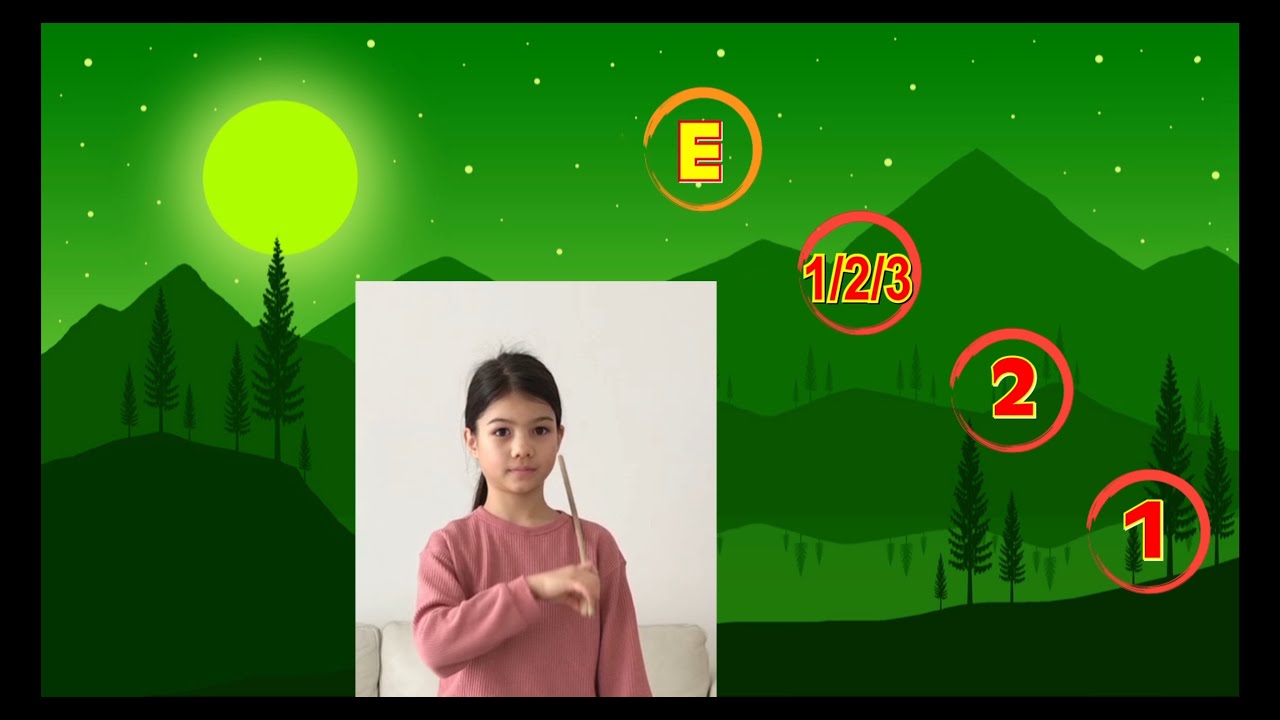
The Journey Through Pre-Twinkle
By Kerstin Wartberg & Charles Krigbaum

Video Chapters
0:00 Start Using the Foot Chart
1:51 Holding the Bow
4:11 Holding the Violin
5:17 The First Twinkle Rhythm
7:16 Two New Songs
9:59 Preparing the Left Hand Fingers
13:23 Preparation Technique and Rhythm with Three Fingers
Here you find the eBook with 29 pages and the beautiful paintings of Lisa Ikegami, 43 audio files and 20 Lucky Dip Cards.
Music & Movement: Lightly Row – May Song
By Kerstin Wartberg
Examples from volume 1A of the Exercise Book “Let's Practice Together!”
Excerpt from the chapter: Preparatory Exercises WITHOUT THE INSTRUMENT
Arjada Hasanaj, presenter
Rudolf Gaehler, violin
David Andruss, piano and piano arrangements for all recorded pieces
Kerstin Wartberg, concept and video editing
Young children enjoy moving around when they hear music. They feel energy, life, joy and playfulness. Teachers should encourage this desire and include these activities during their teaching. Research has shown that the connection between body movement, rhythm and awareness is beneficial to development throughout childhood. This includes thinking and feeling as well as motor abilities.
Concrete aims
• Getting to know and becoming familiar with the violin repertoire of the first volume: LET'S PRACTICE TOGETHER!, SUZUKI VIOLIN SCHOOL and STEP by STEP.
• Conveying the basics of rhythm and intonation through singing, clapping and movement games.
• Intensive training of the senses: listening, seeing, touching and feeling.
• Developing physical endurance and dexterity in gross and fine motor skills.
• Growing into the task of daily practice at home as a new area of life for both children and parents.
• Continuous work on concentration, memory, endurance, self-esteem, willingness to perform and social behavior in the group.
Music & Movement: All Twinkle Rhythms

Examples from volume 1A of the Exercise Book “Let's Practice Together!”
Excerpt from the chapter: Preparatory Exercises WITHOUT THE INSTRUMENT
Publication by ISTEX MUSIC PUBLICATIONS in summer 2020
Arjada Hasanaj, presenter
Rudolf Gaehler, violin
David Andruss, piano and piano arrangements for all recorded pieces
Kerstin Wartberg, concept and video editing
Spotlight on! Rotating Attention on “The First Twinkle Rhythm”
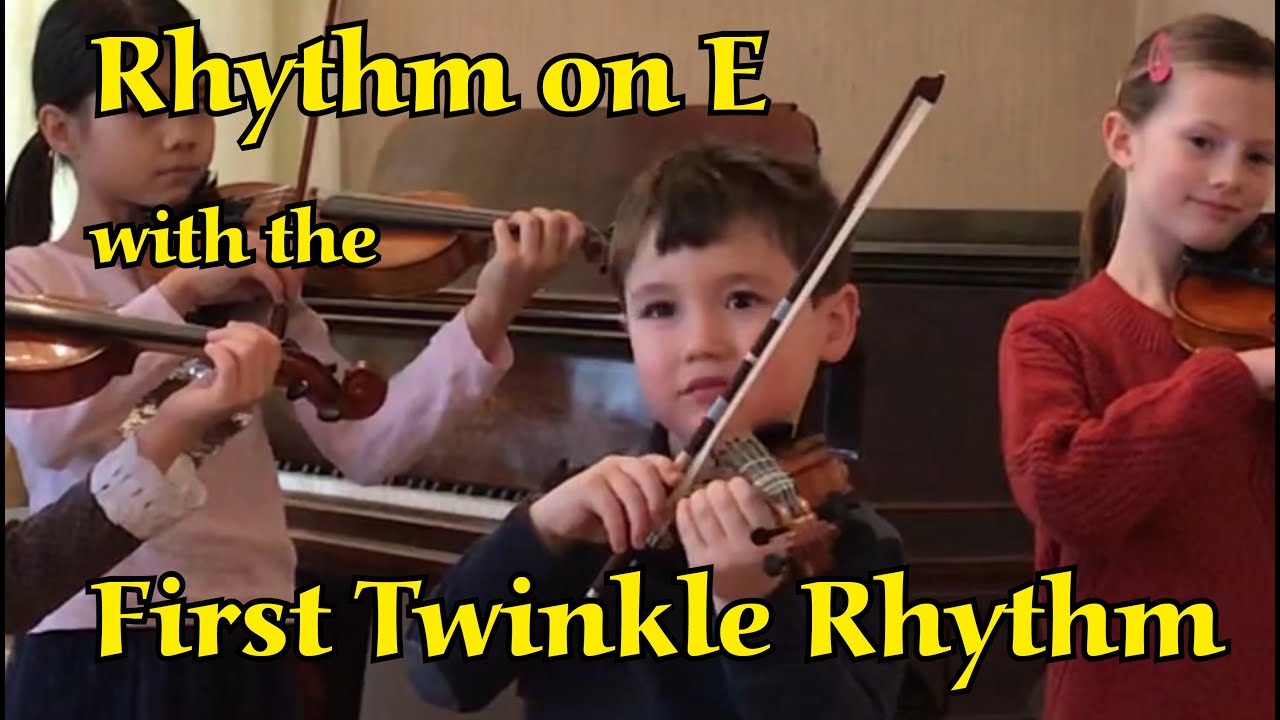
Example from volume 1A of the Exercise Book “Let's Practice Together!” by Kerstin Wartberg.
Publication by ISTEX MUSIC PUBLICATIONS in summer 2020.
The students of Sergej Simkin from the German Suzuki Association demonstrate how effectively they practise the first Twinkle Rhythm with rotating attention.
Shinichi Suzuki and other well-known music teachers, including the cellist Gerhard Mantel, described a practice method that has proved particularly useful for learning new pieces and reviewing familiar pieces: the method of rotating attention.
This method can be compared to a spotlight that illuminates different areas one after another and brings them into conscious awareness. The principle can be applied not only at the beginning level but at all levels of violin playing.
The most important lesson is never to repeat things in exactly the same way again and again. Attention can be directed to a different area each time a section or whole piece is repeated:
• Posture
• The movement of the right hand
• Bow division
• Sound quality
• Rhythm
• Intonation
• The movement of the left hand
• Text security
There are countless aspects that can be practised in this way. Progress is easy to recognise because the muscles are not tired by long, one-sided effort and concentration is continually refreshed by changing activities.
The Second Twinkle Rhythm on E and A
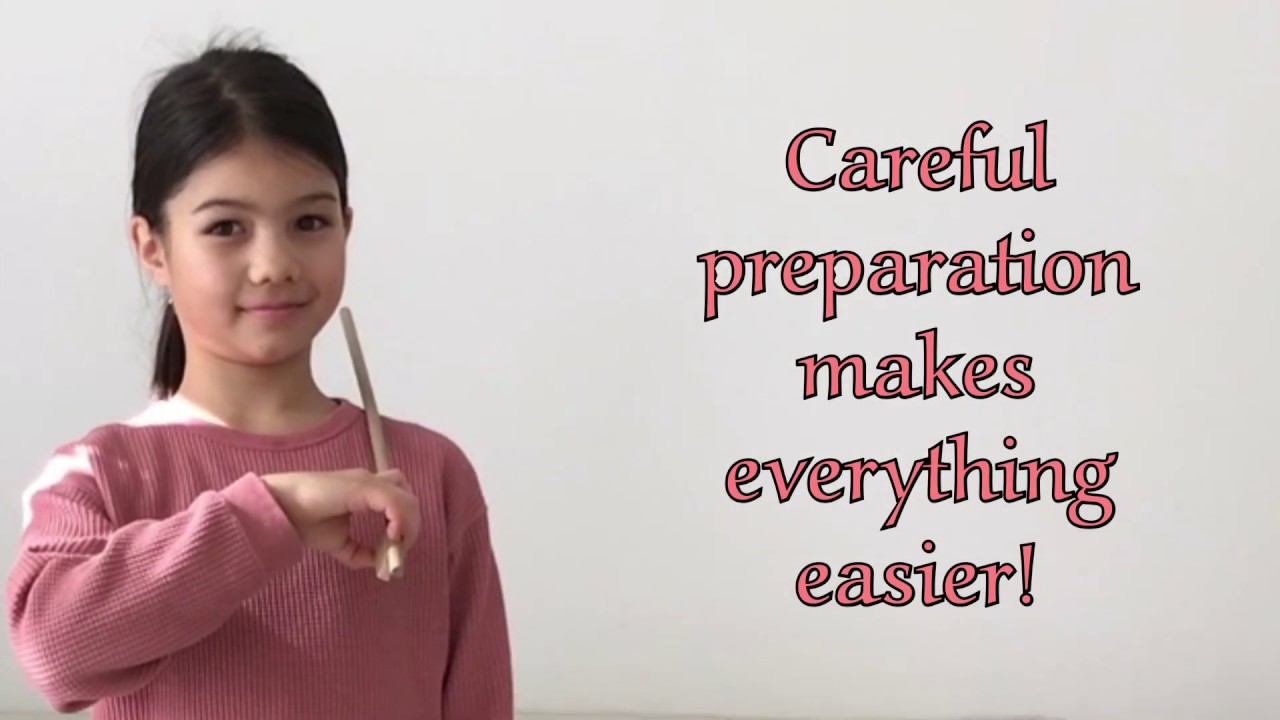
Spotlight on! Rotating Attention on “The First Twinkle Variation with Rests, Part A”
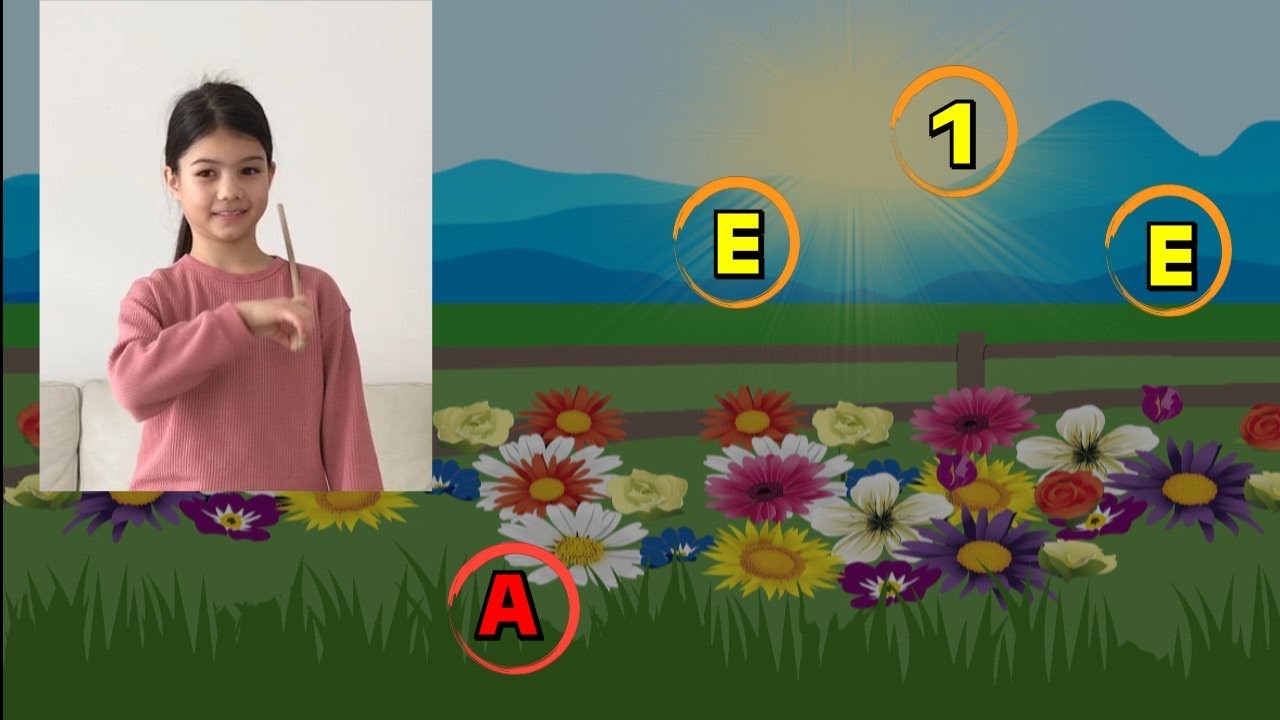
Example from volume 1A of the Exercise Book “Let's Practice Together!” by Kerstin Wartberg.
Publication by ISTEX MUSIC PUBLICATIONS in summer 2020.
The students of Sergej Simkin from the German Suzuki Association use Part A of “The First Twinkle Variation with Rests” to show how effectively this section can be practised with rotating attention.
Shinichi Suzuki and other well-known music teachers, including the cellist Gerhard Mantel, described a practice method that has proved particularly useful for learning new pieces and reviewing familiar pieces: the method of rotating attention.
This method can be compared to a spotlight that illuminates different areas one after another and brings them into conscious awareness. The principle can be applied not only at the beginning level but at all levels of violin playing.
The most important lesson is never to repeat things in exactly the same way again and again. Attention can be directed to a different area each time a section or whole piece is repeated:
• Posture
• The movement of the right hand
• Bow division
• Sound quality
• Rhythm
• Intonation
• The movement of the left hand
• Text security
There are countless aspects that can be practised in this way. Progress is easy to recognise because the muscles are not tired by long, one-sided effort and concentration is continually refreshed by changing activities.